


Choosing an Agreed Surveyor
What Is an Agreed Surveyor?
An Agreed Surveyor is one Party Wall surveyor appointed in writing by both owners to settle matters in dispute under the Party Wall etc. Act 1996. The appointment gives both owners the same independent professional to review the proposals, consider their concerns and prepare the Party Wall Award.
Agreeing on a surveyor is different from consenting to the work. Owners can disagree about the proposals while agreeing that one surveyor should resolve the matters under the Act. Where the adjoining owner consents to a valid notice and no dispute exists, an Agreed Surveyor is not normally needed, although a Schedule of Condition can still be arranged separately.
When One Surveyor Is Suitable
An Agreed Surveyor can be a practical choice for extensions, loft conversions and other building work where both owners are comfortable with one appointment. Using the same surveyor can reduce duplicated inspections and correspondence while giving each owner an opportunity to raise questions about the proposals.
Separate surveyors may be preferable if either owner wants their own appointment or has concerns that make a shared appointment difficult. We can explain the options after reviewing the notices and drawings; both owners should feel comfortable with the arrangement before agreeing to it.
Appointing an Agreed Surveyor
Either owner can suggest an Agreed Surveyor, but both must agree in writing to appoint that person once a dispute has arisen under the Act. We review the notices and proposed work before accepting the appointment, and explain the work involved and our fees.
An unanswered notice does not give the Building Owner permission to appoint an Agreed Surveyor for both parties. If the adjoining owner does not respond, the Act provides a separate procedure for appointing a surveyor on their behalf, explained in the questions below.
Reviewing the Work & Recording Condition
We examine how the proposed work will affect the adjoining property. A new beam bearing into a Party Wall raises questions about support and temporary protection; excavation beside a neighbour’s foundations calls for careful consideration of depths and the sequence of construction.
We ask the designer or engineer for any missing details before making the Award. Both owners can raise concerns during this review, and we explain how the proposals and protective measures address them.
Our review normally covers:
- the notices served and the work they describe
- architectural drawings, structural details and relevant calculations
- the condition of the parts of the adjoining property that could be affected
- construction methods, sequence and temporary support
- access arrangements and protection of the adjoining property
- the provisions needed in the Party Wall Award.
Schedule of Condition
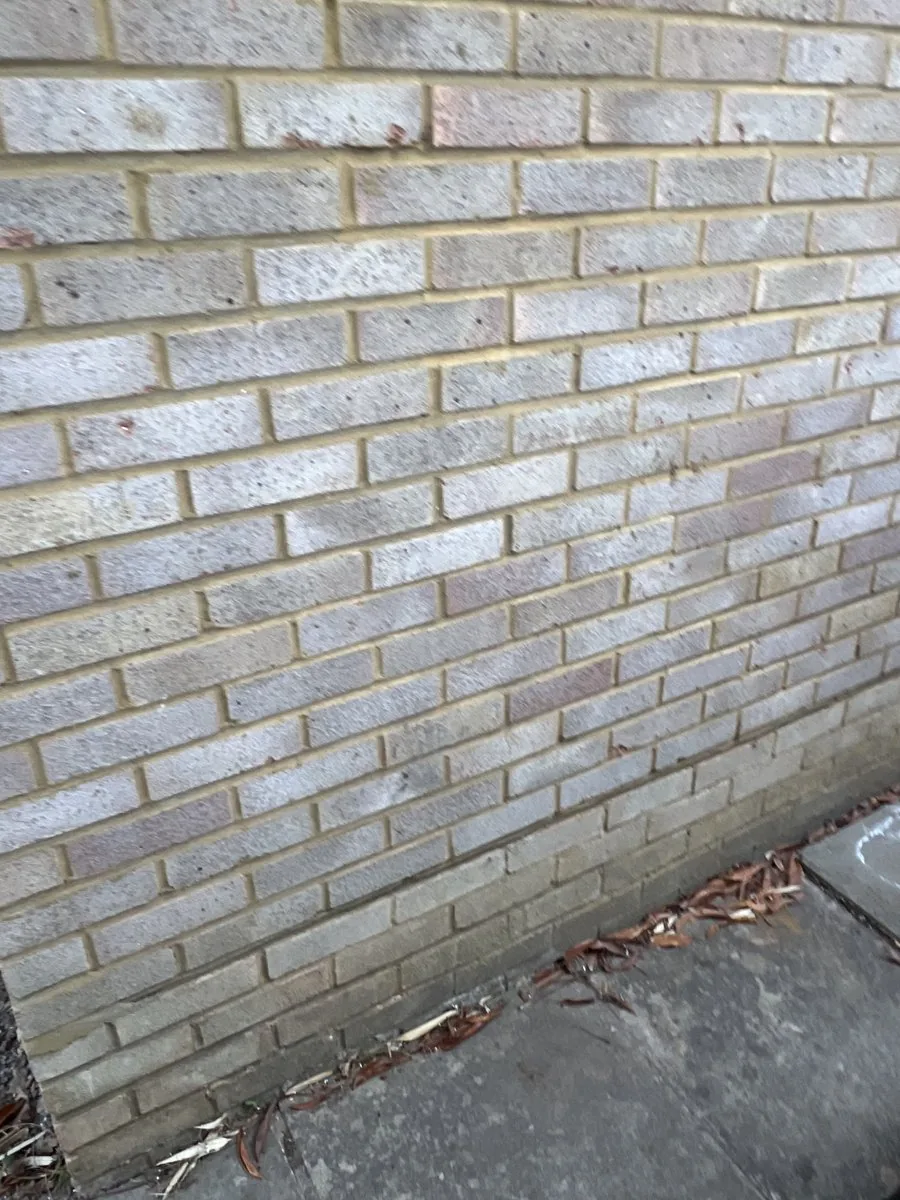
Before the work begins, we normally inspect the parts of the adjoining property that could be affected and prepare a Schedule of Condition. Written descriptions and photographs record existing cracks, finishes and other relevant features, giving both owners a dated record of the property’s condition.
If damage is reported later, this record helps us assess whether the work has caused a new problem or worsened an existing defect. Please tell us about any concerns before the inspection and provide earlier photographs or reports if available; any areas we cannot inspect are identified in the record.
What the Party Wall Award Covers
The Party Wall Award records the surveyor’s decision on the matters in dispute and sets out how the work is to proceed. Depending on the proposals, it can cover:
- the work authorised under the Act and the drawings it relates to
- construction methods, sequence and timing
- temporary support, weatherproofing and other protective measures
- access needed for the work and inspections
- making good damage or payment in lieu
- reasonable surveyor fees and other relevant costs.
Both owners receive the Award. The work it covers can begin once the Award has been served, the notice period has expired or been shortened by agreement, and any conditions that apply before starting have been met.
If the plans change, send us the revised drawings before carrying out the affected work. We will check whether further notices or an additional Award are needed, so the documents continue to reflect what is being built.
Can You Change the Agreed Surveyor?
Neither owner can withdraw a valid statutory appointment, so it is important to be comfortable with the choice before appointing an Agreed Surveyor. If concerns arise, raise them promptly and ask the surveyor to explain their approach; appointing someone else does not cancel the original appointment.
Different rules apply if the Agreed Surveyor dies, becomes incapable, refuses to act or fails to act after the formal request and ten-day period specified by the Act. In those circumstances, the dispute procedure must begin again.
Frequently Asked Questions
Who pays the Agreed Surveyor’s fees?
The Building Owner normally pays the reasonable surveyor fees where the work is solely for their benefit. A joint appointment does not mean the fee is automatically split equally: the allocation depends on the circumstances, including whether work benefits both properties or is needed to repair a shared structure.
Is an Agreed Surveyor less expensive?
Using one surveyor can reduce duplicated work, but the fee still depends on the proposals, the information available and the issues to be resolved. We review the drawings before quoting, so you understand what the appointment includes and when further work could lead to an additional charge.
What if the adjoining owner does not reply?
Silence cannot create an Agreed Surveyor appointment. Once a dispute has arisen, the adjoining owner can be formally asked to appoint a surveyor. If they do not do so within ten days, including the day that request is served, the Building Owner may appoint a separate surveyor on their behalf.
What if I disagree with the Party Wall Award?
There is no Third Surveyor in an Agreed Surveyor appointment. Either owner can appeal an Award to the county court within 14 days, including the day it is served on them. Seek legal advice promptly if you are considering an appeal, as discussions with the surveyor do not extend the deadline.
Does the Award replace other approvals?
The Party Wall Award deals with the owners’ rights and responsibilities under the Party Wall Act. Planning Permission and Building Regulations approval are separate, and the Building Owner must obtain any approvals the project needs. The Award also does not give the Agreed Surveyor a general role in supervising the contractor.
Can the Agreed Surveyor deal with damage later?
If damage appears, tell the surveyor promptly and take dated photographs before repairs obscure it. We compare the reported damage with the Schedule of Condition and other evidence to assess its cause. A further Award can settle a dispute about damage arising from the work covered by the Act, including making good or payment in lieu.