

Surveys for Buyers & Owners
Before Buying a Listed Building
A Full Building Survey (Level 3) is usually appropriate for a listed or traditionally constructed home. It explains the building’s condition, defects and repair priorities before you commit to the purchase.
The findings help you arrange further investigations, obtain repair quotations and raise questions about earlier alterations before exchange.
Before Repairs or Alterations
If you already own the property, tell us about the problems you have noticed and any work you are considering. We can assess the relevant construction and identify where further design, structural or consent advice is needed.
The inspection and report are agreed around the property and your plans.
What We Inspect in an Older Building
Understanding the Building First
Uneven floors, old cracking and distortion can form part of a building’s history. We examine the original construction, later additions and previous repairs to distinguish work needing attention from sound fabric that can remain.
Traditional Walls, Lime Mortar & Plaster
Solid walls and lime finishes manage moisture differently from modern construction. We consider exposure, ground levels, drainage and later repairs. Hard cement pointing or dense coatings can restrict drying, but their removal must also be assessed for potential damage.
Damp & Moisture
We look for the moisture source, including roof and gutter defects, leaks, high ground levels and poor ventilation. Readings support the assessment; they do not diagnose the cause on their own.
Roofs & Chimneys
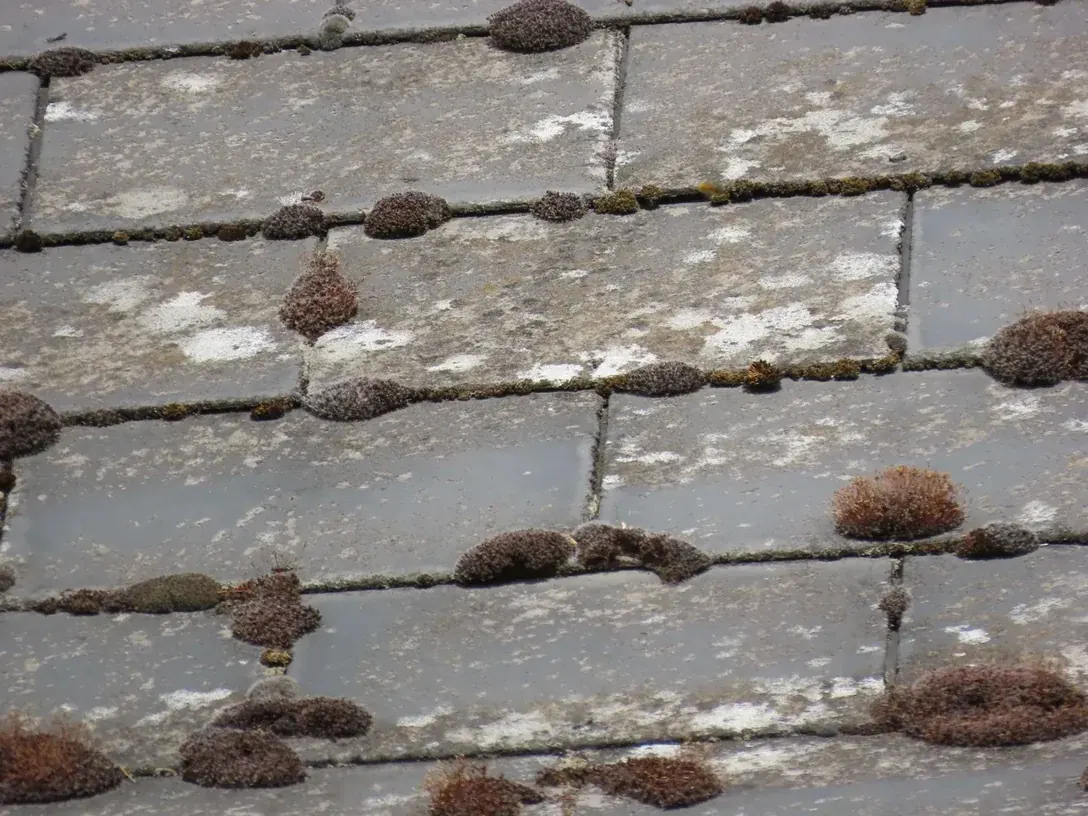
Accessible roof structures, coverings, valleys, leadwork and rainwater details are inspected. A separately agreed drone inspection can provide closer views of high-level fabric, subject to weather, airspace and site conditions.
Timber Construction
We examine accessible timbers for decay, insect damage, reduced sections and altered supports. Old holes or staining are considered alongside current condition, with concealed areas identified for further investigation where needed.
Movement & Structural Alterations
We consider whether distortion appears longstanding or may indicate continuing movement. Monitoring or advice from our consultant Chartered Structural Engineer may be needed; additional work is agreed beforehand.
What Your Historic Building Survey Covers
The report explains the condition in the context of the building’s age, materials and construction.
- Significant defects, their likely causes and the consequences of delay
- Recommended repairs, maintenance and priorities
- Alterations or earlier repairs requiring further enquiry
- Inspection restrictions and further checks needed before choosing a repair
This gives you a basis for decisions about purchase or planned work, with advice suited to the particular building.
Listed Building Consent & Earlier Alterations
Listing normally protects the interior and exterior, including features not mentioned in the list description. Fixtures and some structures within the curtilage may also be protected, subject to any express exclusions.
We identify visible alterations that need further enquiry. Before purchase, your solicitor should check the property’s title, the extent of protection and the permissions and consents for previous work.
If you are planning changes, we prepare Listed Building Consent applications, drawings and supporting heritage information. Repairs can also require consent, depending on their extent and effect on the building’s special interest.
Listed Building Consent ApplicationsPlanning Repairs & Maintenance
Deal with the Cause, Then Plan the Work
Keeping rainwater out is often an early priority. Defective gutters, slipped tiles and failed flashings can damage otherwise sound construction. We distinguish urgent repairs from work that can be planned and recommend materials suited to the building.
We are members of the Society for the Protection of Ancient Buildings (SPAB) and support retaining sound historic fabric.
Developing the Repair Programme
For larger programmes, we can prepare a Technical Specification of Works and administer the agreed work through to completion. Further investigation, specialist advice or consent enquiries may be needed before a repair method is selected.
Technical Specification of WorksHistoric Building Records
A historic building record is a separate service documenting materials, construction and development over time, for alterations, Planning conditions or conservation purposes. Tell us the purpose and any recording requirements so we can distinguish this from the condition survey you need.
Survey Fees
Listed & Historic Building Survey
from £625 + VAT
Drone inspections, cost advice, historic building recording and detailed repair specifications are quoted separately. We confirm what is included and the total fee before you appoint us.
Frequently Asked Questions
Do I need a Full Building Survey (Level 3) for a listed building?
A Full Building Survey (Level 3) is usually suitable because traditional construction, historic materials and later alterations need a more detailed assessment. We will review the property’s particulars and recommend the appropriate survey before you book.
Does listing only protect the outside of the building?
No. Listing normally covers both the interior and exterior, including features omitted from the list description. Fixtures and some structures within the curtilage may also be protected. Your solicitor should check the position for the property, including any express exclusions.
What do Grade I, Grade II* and Grade II mean?
The grades describe architectural or historic interest. Grade I denotes exceptional interest; Grade II* identifies particularly important buildings of more than special interest; and Grade II denotes special interest. They do not describe condition. Listed Building Consent may be required at any grade.
Can a listed building be altered or extended?
It may be possible, with a design suited to the building and the necessary consents. We can advise on proposals and prepare Listed Building Consent applications and supporting information. Consent is required for alterations or extensions affecting the building’s special architectural or historic character; approval depends on the particular proposals.
What if the previous owner carried out work without consent?
We identify visible alterations that need further enquiry. Your solicitor should check what approvals exist and advise on any missing consents before you commit to the purchase.
Do you investigate damp and timber defects?
We assess visible damp, timber decay and related defects as part of the building survey. If you need advice on one particular problem, we also offer focused Defect Diagnosis & Repair inspections. We explain where additional specialist investigation is needed.
Can you inspect the roof by drone?
Yes. A drone can give us closer views of complex roofs, chimneys and high-level masonry, subject to weather, airspace and site conditions. We agree the additional fee before the inspection.