

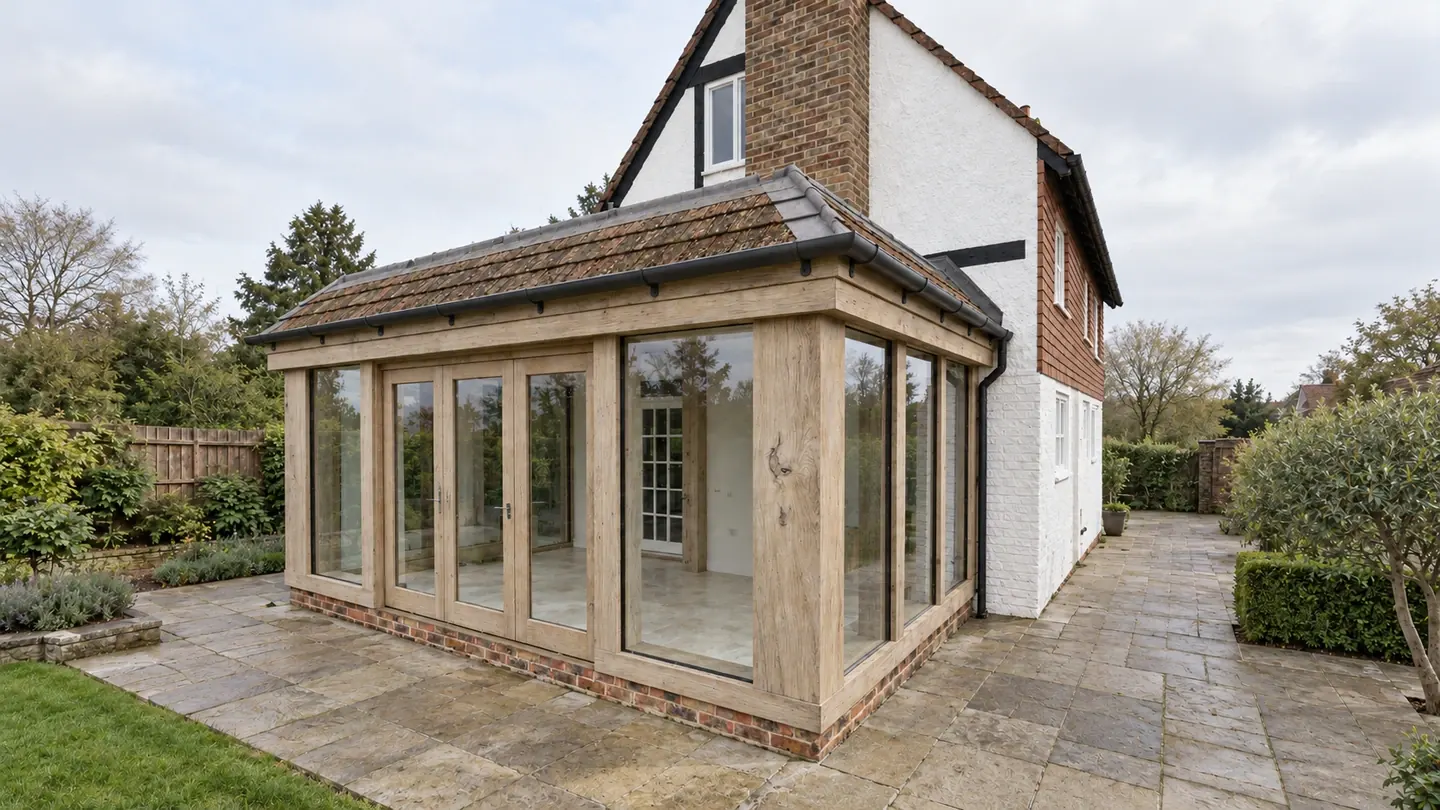
When Is Listed Building Consent Needed?
Listed Building Consent is required for demolition and for alterations or extensions that affect a listed building’s character as a building of special architectural or historic interest. This can include internal work, such as changing a staircase or removing a partition, as well as external work to windows, roofs and extensions.
Listing normally protects the whole building, including its interior and attached features. Certain structures within its grounds may also be protected, and the list description may not mention everything that matters. We check the list entry, any express exclusions and the building itself before advising on proposed changes.
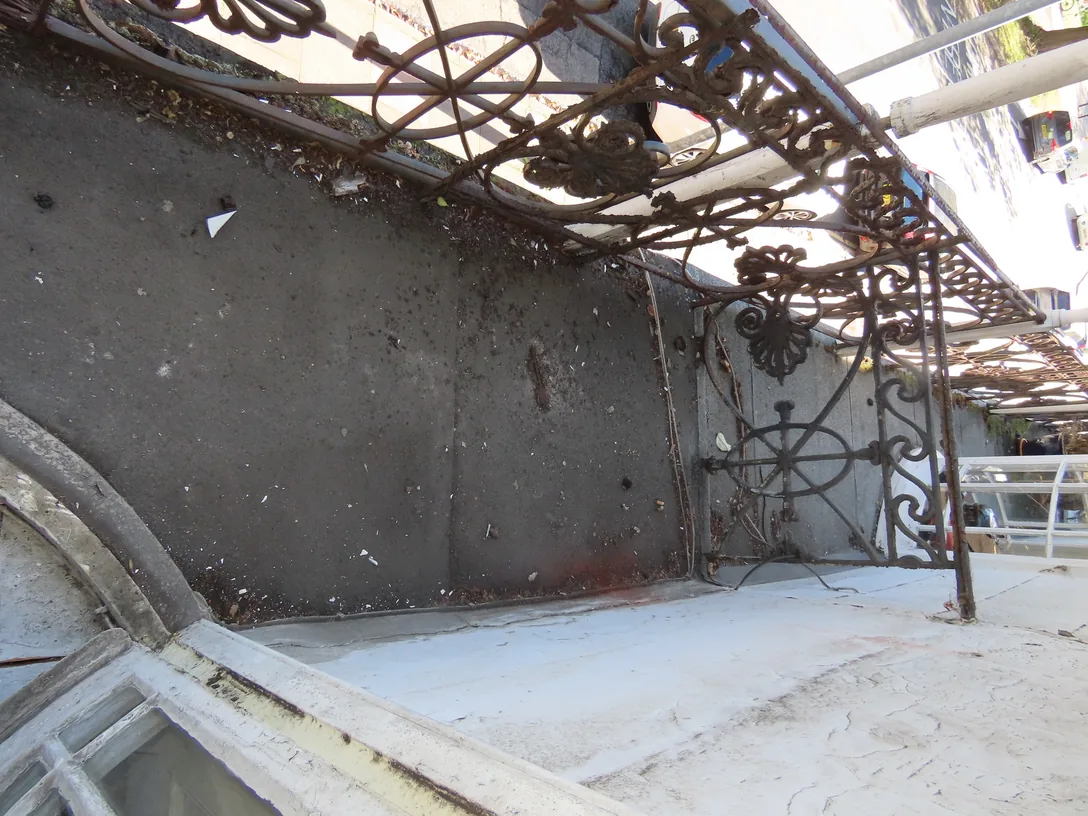
Understanding the Fabric & Proposed Repairs
We look at how the building was constructed, how it has changed and which parts contribute to its historic or architectural interest. That understanding helps us develop a design around the space you need while retaining the features and materials that give the building its character.
For example, moving a doorway may affect an early timber frame, historic joinery or the original arrangement of rooms. We use inspection findings, measurements and available records to work through those relationships, then show what would be retained, altered or removed and why.
Repairs & Replacement Materials
Routine maintenance and limited repairs may not need consent where they leave the building’s special character unchanged. Replacing historic material, changing a finish or using a different repair method can have a greater effect, even where the finished work is intended to look similar.
We consider the condition of the affected feature and how much original material can be retained. The proposal should make the extent of repair, replacement and preparation clear, so the authority can assess it and contractors understand the intended work.
Architectural Drawings & Heritage Information
A Listed Building Consent application needs to explain both the proposed work and its effect on the building. We prepare architectural drawings and supporting heritage information, with specialist input where the project calls for it, and deal with queries raised during the application.
The heritage statement describes what is important about the building, how the proposals would affect it and the reasons for the changes. Detailed drawings and repair information should support that explanation, rather than leave important construction decisions until work is underway.
- existing and proposed plans, elevations and sections
- details of affected windows, doors, joinery or other features
- photographs recording the areas to be changed
- heritage information and a Design and Access Statement
- proposed materials, finishes and repair methods
- structural, condition or other specialist information needed to explain the work.
Related Permissions & Consent Conditions
Planning Permission & Building Regulations
Listed Building Consent and Planning Permission address different questions, so an extension or external alteration may need both applications. Work that is permitted for Planning purposes can still require Listed Building Consent if it affects the listed building’s special character.
Building Regulations may still apply to a listed building, so we coordinate the architectural and structural information with the consented design, considering how technical requirements can be met without unnecessary loss of historic fabric.
After Listed Building Consent Is Granted
The decision notice identifies the approved drawings and any conditions. These may require material samples, joinery details, repair methods or a record of historic fabric to be agreed before work starts or before a particular stage is reached. We review the conditions and identify the information still needed.
The contractor should work from the approved details, with any required condition approvals in place. If opening-up reveals a different construction or a detail needs changing, the effect on the consent should be checked before proceeding, as changes to the approved work may need further approval.
Work Carried Out Without Consent
If previous alterations have no clear consent record, we compare the existing work with available drawings, photographs and decisions. This helps establish what has changed and what information may be needed for discussions with the local Planning authority.
Carrying out work that requires Listed Building Consent without obtaining it is a criminal offence, and a later grant of consent does not undo an earlier offence. We can assist with drawings, condition evidence and repair proposals, but legal advice may also be needed where unauthorised work or enforcement is involved.
Frequently Asked Questions
Is only the outside of a Grade II building protected?
A Grade II listed building is normally protected inside and out, just as Grade I and Grade II* buildings are. We check the particular list entry and any express exclusions when assessing the proposed work.
Can I extend a listed building?
An extension may be possible where its design, scale and position respond to the building and its setting. We consider how it would connect to the existing structure, what historic material would be affected and whether the proposed accommodation could be achieved with less alteration. The application needs to explain those choices.
Do internal alterations need Listed Building Consent?
They can, even where nothing changes outside. Removing partitions, altering stairs, replacing significant joinery or changing fireplaces may affect the building’s special character. We assess the actual work and the features involved, rather than relying solely on whether they appear in the list description.
Is there a Listed Building Consent application fee?
There is no local authority application fee for Listed Building Consent itself. Fees still apply for our design and application work and any specialist reports, and a separate Planning application may have its own fee. We set out our proposed services and fees before work begins.
How long does Listed Building Consent take?
Most smaller applications have an eight-week decision period from receipt of a valid application, unless a longer period is agreed in writing. Surveying, design and the preparation of heritage information come first, and requests for further detail can affect the programme. We keep you informed of queries and any revised timetable.
Does a conservation area mean my building is listed?
Conservation-area designation and listing are different forms of protection. An unlisted building in a conservation area does not need Listed Building Consent simply because of that location, although other Planning controls may affect alterations or demolition. We check both the building’s status and the controls applying to the site.