

Drawings, Specifications & Evidence
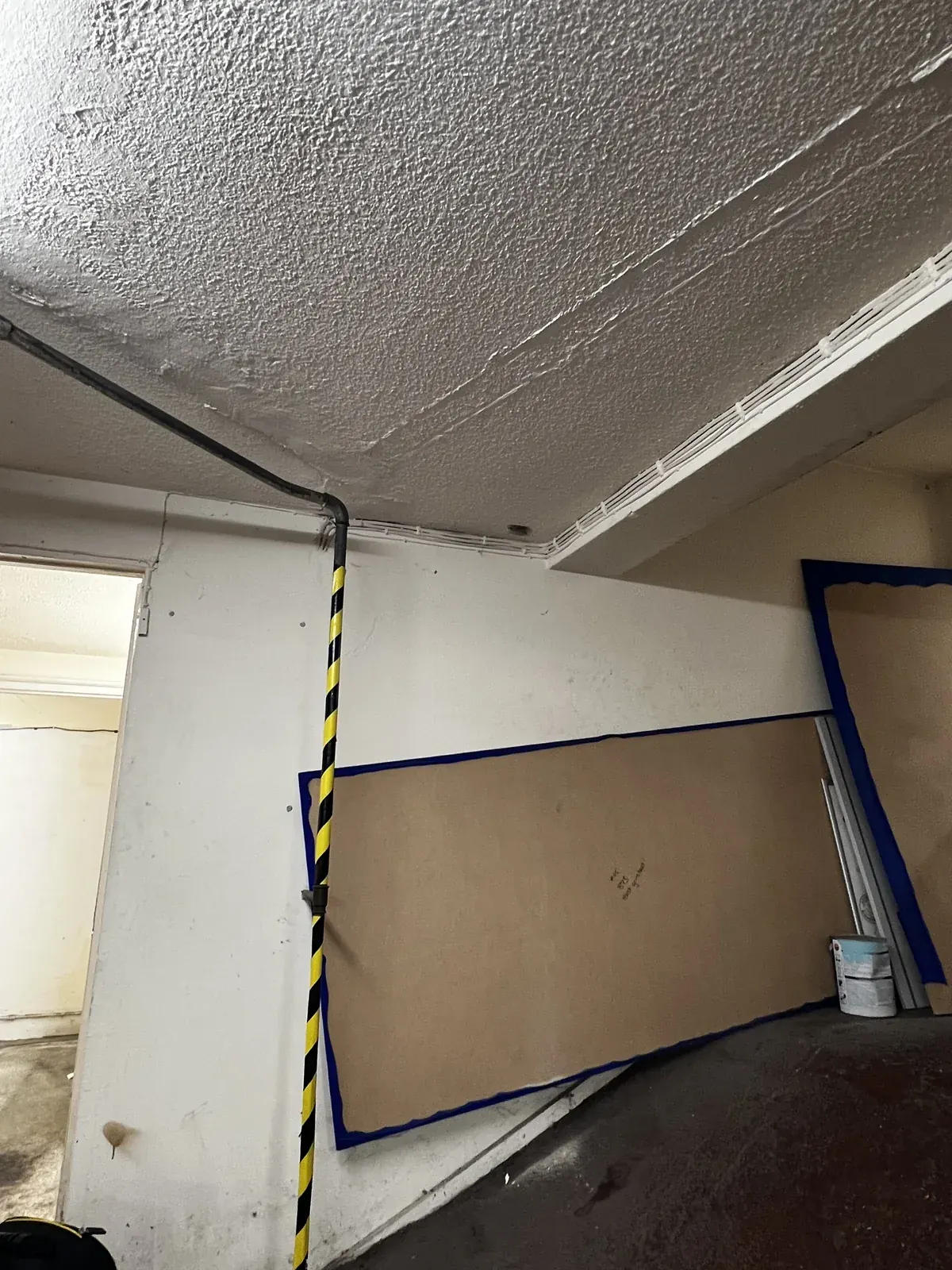
The contract, quotation, architectural drawings and specification establish the construction information against which the work is examined. We also review agreed changes and relevant correspondence, since the original drawings may have been revised or the parties may have agreed a different material or detail during construction.
A difference between a drawing and the finished work therefore needs to be considered alongside the later records. Dated photographs, site notes and earlier inspection reports can help establish what was built, when a problem first appeared and whether subsequent work changed the condition.
Inspecting Defective & Incomplete Work
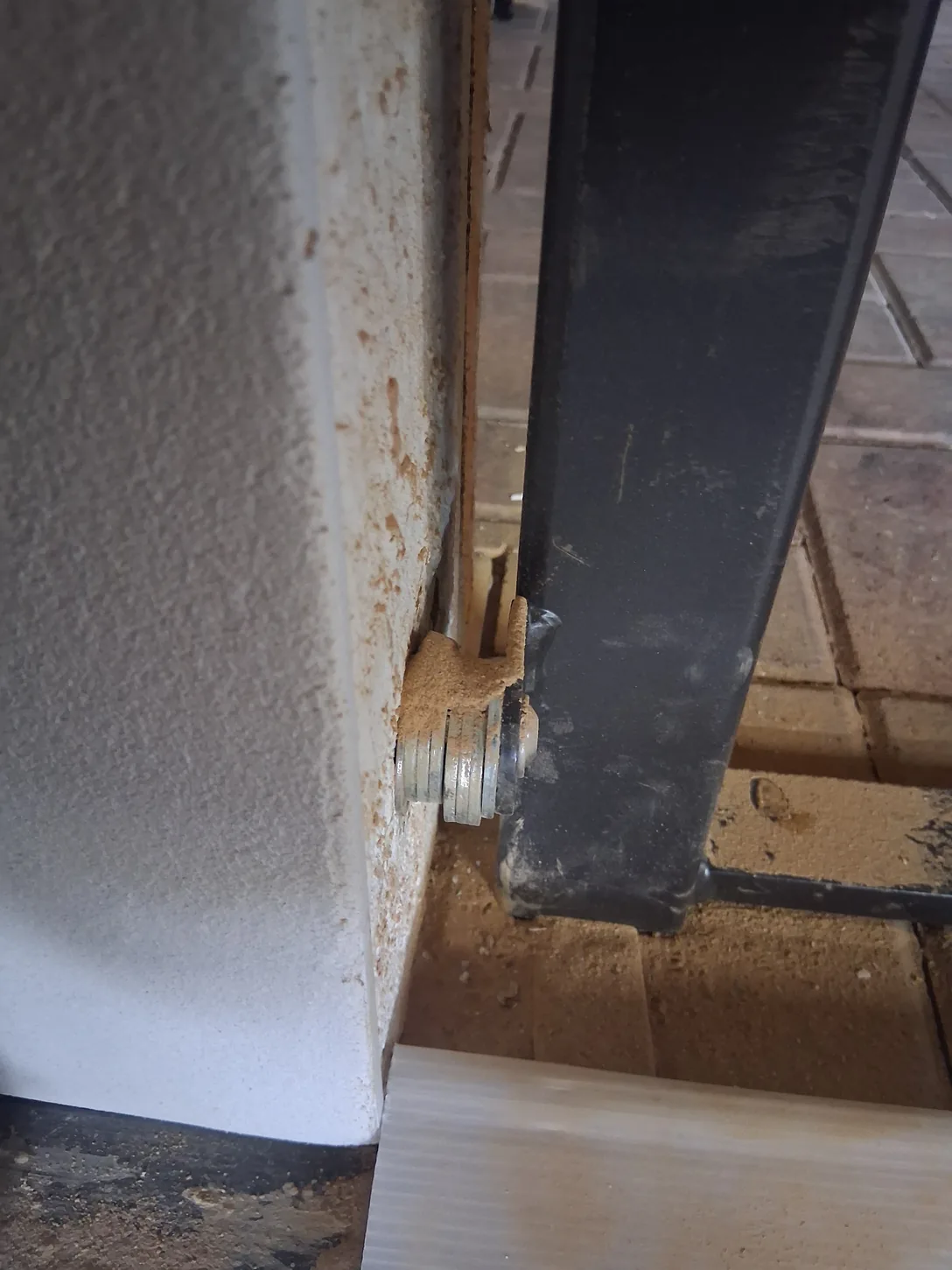
A building defect may be apparent in the finished work or emerge later through cracking, leaks or repeated water ingress. We inspect the affected construction, record the findings and consider why the problem has occurred and how it affects the building.
The assessment draws on the relevant construction information, manufacturers’ requirements, Building Regulations and accepted building practice. We consider the requirements applicable to the work, explaining where the workmanship or construction falls short and the evidence supporting that opinion.
Incomplete Building Work
An unfinished project may contain work that is absent, partly completed or defective. We distinguish these categories, taking account of the stage reached and what was intended, so an unfinished detail is assessed in the context of the work still to be carried out.
Remedial Work & Repair Costs
Repairs & Replacement Work
Once the defect and its likely cause are understood, we assess the repair or replacement work needed to address it. The remedy may involve more than replacing the affected component: access, removal of adjoining finishes and making good can all form part of the work.
For example, correcting a defective roof junction may require surrounding coverings to be lifted before the detail can be repaired. We explain the proposed work and identify any concealed construction that needs investigation before the repair can be specified. Structural matters may require engineering input as well as the surveying assessment.
Repair Costs & Scott Schedules
We can assess likely repair costs as part of the instruction, explaining the work allowed for, including access, removal and making good. Estimates identify assumptions about concealed construction and any further design or investigation needed, so the basis of the figures can be understood.
Where a costed Scott Schedule is useful or required, we set out the disputed items, proposed remedies and costs in a table that allows the parties’ responses to be compared. The format follows the instruction and any court directions, with enough detail to explain each item without repeating the full report.
Technical Advice & Court Reports
A focused inspection may be enough to clarify a technical disagreement, identify repairs or support discussions between the parties. Tell us what is disputed and how the advice will be used, so we can recommend the inspection and report needed at that stage.
Where formal evidence is required for civil proceedings, our CPR Part 35 building dispute reports set out the findings, reasoning and conclusions, with the expert’s overriding duty owed to the court. Permission to rely on expert evidence remains a matter for the court. Our CPR Part 35 Compliant Reports page explains the appointment and reporting process.
Preserving the Evidence
Where work is about to be covered, removed or repaired, dated photographs and inspection records can be important to a later assessment. Tell us about proposed remedial work when you enquire, so we can consider whether an inspection is needed before the condition changes.
If a dispute is under way, ask your solicitor how the condition should be recorded and whether the other party should have an opportunity to inspect. Essential safety work should not be delayed solely to preserve evidence; keep a record of the condition and work undertaken wherever it is safe and practical to do so.
Frequently Asked Questions
Does the report decide contractual responsibility?
We explain the technical findings, including differences between the construction and the relevant documents, and the repairs and costs involved. Legal advisers use that evidence when considering contractual responsibility and recoverable losses. The cost of a proposed repair does not, by itself, establish an entitlement to recover that amount.
What if there is no detailed specification?
Quotations, drawings, correspondence and records of agreed changes may still provide useful evidence of the intended work. We review what is available alongside the construction itself, explaining where missing or conflicting information limits the technical opinion. The legal interpretation of the agreement remains a matter for legal advice.
Can you assess structural defects?
Our consulting Chartered Structural Engineer, Stephen D’Aulby, can provide separately commissioned input where the dispute involves structural design, supports or movement. He also has experience giving expert evidence on structural engineering matters. We identify the engineering work needed and its relationship to the surveying report before the appointment.
Can you assess work already covered or replaced?
Photographs, inspection notes and records of the original work may help, but some questions require opening up or other investigation. Where the work has been removed, the report explains what the available evidence supports and which conclusions cannot be verified. Send the earlier records with your enquiry.