


When a Party Wall Notice Is Needed
Work to a Party Wall or Structure
Section 2 covers specified work to shared walls and other party structures, including some floors separating flats. Work that commonly needs a Party Structure Notice includes:
- cutting pockets for steel beams or other structural bearings
- raising, thickening or underpinning a Party Wall
- cutting flashings into the wall
- removing a chimney breast from a party structure
- demolishing and rebuilding defective parts of a shared wall.
A New Wall at the Boundary
A new wall built up to the boundary can require a Line of Junction Notice under section 1, even when it stands wholly on your land. Building a new wall astride the boundary requires the adjoining owner’s written consent; without it, the wall must stay on your side.
Excavation Near a Neighbouring Building
Section 6 applies where foundation or excavation work meets either of these tests:
- Within three metres: the excavation extends below the bottom of the neighbouring building’s foundations.
- Within six metres: the excavation meets a plane sloping down towards the work at 45 degrees from foundation-bottom level at the outside face of the neighbouring wall.
Distances are measured horizontally from the neighbouring building or structure, rather than the boundary fence. Depth matters as well as distance, so an excavation is not automatically notifiable simply because it is within three or six metres.
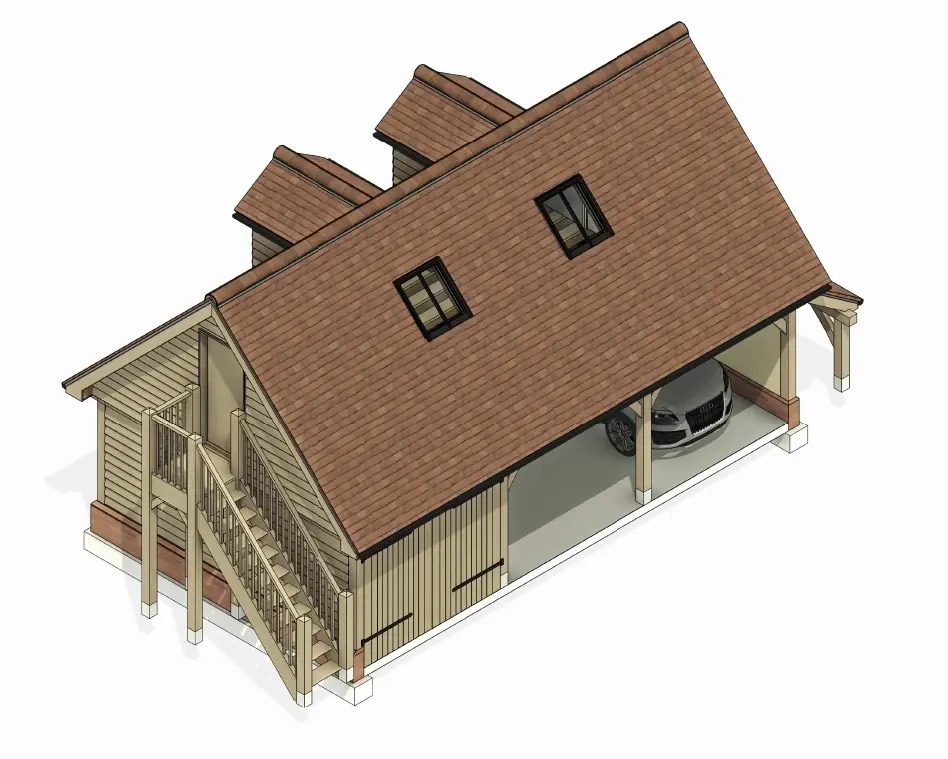
Rear & Side Extensions
An extension can need more than one Party Wall notice. A wall at the boundary may need a Line of Junction Notice, while the depth and position of its foundations may also require an excavation notice. Cutting flashings into a shared wall or altering an existing party structure can call for a Party Structure Notice as well.
We review the site plan, sections and structural details to establish which requirements apply. The drawings need to show the relationship to neighbouring buildings and the proposed foundation depths, as a floor plan alone may not provide enough information.
Lofts & Internal Alterations
Loft Conversions
A loft conversion often needs notice because new beams bear into the Party Wall. Where the new structure is independently supported and no other work affects a party structure, notice may not be required. The connection between the new construction and the shared wall is what needs checking.
Chimney Breast Removal
Removing a chimney breast from a Party Wall normally requires a Party Structure Notice. The remaining stack or masonry also needs properly designed support, so the structural drawings should be available when the Party Wall position is reviewed.
Minor Internal Work
Fixing shelves or cabinets, making small recesses for wiring or sockets, and replastering will not usually need a Party Wall notice. Work that could affect the wall’s strength or damage the neighbour’s side needs closer assessment, even if it forms part of a relatively small refurbishment.
Removing an internal wall can also require notice if the replacement beam is to bear into the Party Wall. We check the proposed support arrangement rather than assuming that work inside the house is outside the Act.
Checking Foundation Depths
We review the proposed foundation design and available information about the neighbouring building, including earlier drawings or investigation records. If the neighbouring foundation depth remains uncertain, further investigation may be needed before deciding whether section 6 applies.
The building’s age or appearance alone may not establish its foundation depth. Your designer or structural engineer can help identify what further information is needed; any investigation requiring access to neighbouring land must be arranged beforehand.
Who Needs Notice, and When?
Notifying the Adjoining Owners
Notices must reach the qualifying adjoining owners, which can include the freeholder and leaseholders with interests longer than one year. There may be several owners to notify, particularly where the neighbouring building contains flats. We check the ownership information before preparing the notices.
Minimum Notice Periods
- Party Structure Notice: two months
- Line of Junction Notice: one month
- Notice of Adjacent Excavation: one month.
The owners may agree an earlier start, but any dispute and necessary Party Wall Award must be dealt with before the affected work begins. Allow time for drawings, responses and surveyor appointments when planning the construction programme.
Frequently Asked Questions
Do Planning or Building Control approvals remove the need for notice?
Party Wall notices are separate from Planning and Building Regulations requirements. A project can have Planning Permission, qualify as Permitted Development or have Building Control approval and still require notices because it involves a party structure, a new wall at the boundary or qualifying excavation.
Can I prepare and serve the notices myself?
An owner can serve their own notices, provided they contain the required information and reach the correct owners. Where several notices, complex structural details or multiple leaseholders are involved, having the documents checked before service can help avoid an incomplete or invalid notice.
Is a conversation with my neighbour enough?
Discussing the work early can help resolve concerns, but a conversation does not replace the correct written notice where one is required. Keep the formal notice, supporting drawings and any written response together so there is a clear record of the proposals and the neighbour’s decision.
Can my neighbour stop the work by refusing consent?
The Act does not give a neighbour a general veto over work you are entitled to carry out. Disputes about that work can be resolved through the surveyor procedure. A new wall astride the boundary is different: it requires written consent, and without that consent the wall must be built wholly on your land.
Does a Party Wall notice settle the boundary?
A notice does not determine land ownership or settle a disputed boundary. If the boundary position affects where the new wall or foundations will go, that question needs resolving before relying on the proposed layout. Our boundary surveys and reports examine the documents and physical evidence relevant to that position.
Can I serve notice after work starts?
Notices should be served before the work they cover begins. A late notice does not simply regularise work already carried out, although remaining proposals may still need notice. Our guide to work started without a Party Wall notice explains what to check and how we can help.